

Physical Literacy Benefits: Building Strong Foundations

When I think about the journey of childhood, I see it as a beautiful unfolding of potential. One of the most important gifts we can give our little ones is the ability to move confidently and joyfully through the world. This gift is called physical literacy. It is the foundation upon which children build their strength, coordination, and love for activity. As a parent or caregiver, nurturing physical literacy means supporting a child’s growth in a way that feels natural, encouraging, and full of warmth.
Physical literacy is more than just learning to run or jump. It is about developing a broad range of movement skills, understanding how our bodies work, and feeling comfortable in different physical environments. This foundation helps children not only in sports but in everyday life, boosting their confidence and overall well-being. Let me take you through why physical literacy matters so much and how we can build these strong foundations together.
Understanding Physical Literacy Benefits
Physical literacy benefits children in many profound ways. When children develop physical literacy, they gain more than just physical skills. They build confidence, improve their mental health, and develop social skills through play and interaction. For example, a child who learns to balance well is more likely to enjoy activities like climbing or biking, which in turn encourages them to be active and healthy.
One of the most heartening benefits is how physical literacy supports emotional resilience. When children feel capable in their bodies, they are more willing to try new things and face challenges. This positive mindset spills over into other areas of life, helping them grow into well-rounded individuals.
Here are some key physical literacy benefits to keep in mind:
Improved motor skills: Running, jumping, throwing, and catching become easier and more natural.
Better coordination and balance: These skills reduce the risk of injury and increase confidence.
Enhanced cognitive development: Movement stimulates brain growth and learning.
Stronger social connections: Group activities and play foster friendships and teamwork.
Lifelong healthy habits: Early positive experiences with movement encourage ongoing physical activity.
By focusing on these benefits, we can create environments where children feel safe to explore and develop their physical abilities.

How to Foster Physical Literacy at Home and in the Community
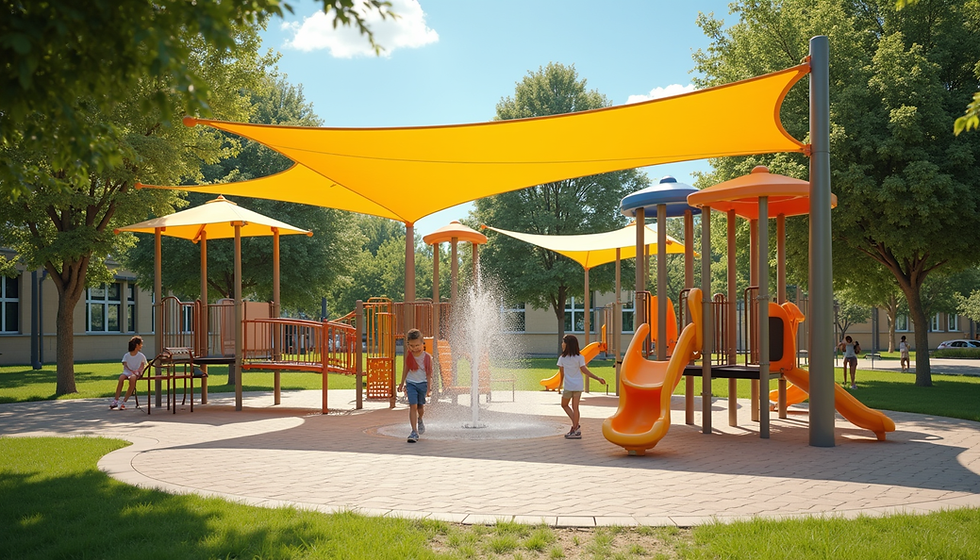
Building physical literacy starts with simple, everyday activities that invite children to move in different ways. At home, this might mean setting up obstacle courses in the living room or encouraging outdoor play in the backyard. In the community, parks and playgrounds offer wonderful spaces for children to practice running, climbing, and jumping.
Here are some practical ways to nurture physical literacy:
Encourage free play: Let children explore movement without strict rules. This freedom helps them discover what their bodies can do.
Introduce varied activities: Different movements like crawling, hopping, or throwing develop a wide range of skills.
Be a role model: Children learn by watching. Show enthusiasm for physical activity and join in the fun.
Create safe spaces: Ensure the environment is secure and welcoming, so children feel comfortable trying new movements.
Celebrate effort, not just success: Praise attempts and progress to build confidence and motivation.
In Leduc, we are fortunate to have many parks and community centers that support active play. Taking advantage of these resources can make a big difference in a child’s physical literacy journey.
The Role of Childcare in Supporting Physical Literacy
Childcare settings play a crucial role in fostering physical literacy. When children spend time in nurturing environments that prioritize movement, they develop skills that support their overall growth. At Butterfly Childcare, for example, the focus is on holistic development - mind, body, soul, and personality. This means creating a space where children can explore movement naturally and joyfully.
In such settings, caregivers design activities that challenge children just enough to help them grow without causing frustration. They also provide encouragement and celebrate every small victory. This approach helps children build a positive relationship with physical activity that lasts a lifetime.
Some ways childcare centers can support physical literacy include:
Offering daily opportunities for active play both indoors and outdoors.
Incorporating movement into learning activities.
Providing equipment that encourages climbing, balancing, and coordination.
Training staff to understand the importance of physical literacy and how to nurture it.
By partnering with childcare providers who value physical literacy, families can feel confident that their children are developing strong foundations for health and happiness.

Encouraging Physical Literacy Through Family Activities
Families have a unique opportunity to nurture physical literacy through shared experiences. When parents and caregivers engage in movement with their children, it strengthens bonds and creates joyful memories. Simple activities like walking to the park, playing catch, or dancing to music can all contribute to a child’s physical development.
Here are some family-friendly ideas to encourage physical literacy:
Nature walks: Explore local trails or green spaces, encouraging children to notice different terrains and practice balance.
Dance parties: Put on some music and move together, letting children express themselves freely.
Ball games: Playing catch or kicking a ball helps develop hand-eye coordination and timing.
Obstacle courses: Use household items to create fun challenges that promote agility and problem-solving.
Swimming: If possible, introduce water play to build strength and confidence in a new environment.
Remember, the goal is to make movement enjoyable and stress-free. When children associate physical activity with fun and connection, they are more likely to embrace it throughout their lives.
Building a Strong Foundation for Lifelong Well-being
Physical literacy is a gift that keeps on giving. By building strong foundations early, we set children up for a lifetime of health, confidence, and joy. It is about more than just physical skills - it is about nurturing a positive relationship with movement that supports every aspect of their development.
As I reflect on the importance of physical literacy, I am reminded that every small step counts. Whether it is a toddler taking their first steps or a young child mastering a new skill, these moments are the building blocks of a healthy future. By creating supportive environments at home, in childcare, and in the community, we can help children flourish.
If you want to learn more about how to support your child’s physical literacy journey, consider reaching out to local resources or childcare providers who share this vision. Together, we can build a community where every child has the opportunity to move, grow, and thrive.
Thank you for joining me in exploring the wonderful world of physical literacy. May we all continue to nurture strong foundations for the children we care about, helping them step confidently into a bright and active future.


Comments